

For most first-time visitors, Taiwan begins and ends in Taipei, and it's easy to see why. Taipei’s night markets hum with energy, its MRT whisks you across the city in minutes, and its skyline (anchored by the iconic Taipei 101) announces with quiet confidence that this is a world-class metropolis. But seasoned travelers know a truth that tourism brochures rarely lead with: the heart of a place is seldom found in its most polished address.
To truly understand Taiwan’s layered history, volcanic landscapes, indigenous traditions, and its obsessive relationship with good food, you have to head south and east. Taiwan packs an almost impossible density of terrain into an island smaller than Switzerland: soaring mountain ranges, marble gorges, sweeping Pacific coastlines, and centuries-old city streets, all within a few hours of one another. In a single day, you can move from a trendy urban café to a fog-draped ancient forest. In two or three hours, you can travel from alpine tea gardens to the open sea.
What follows is not a checklist. It is an invitation to four regions that together form a grand itinerary of culture, ecology, history, and unhurried wonder.
Tainan: Where Taiwan's Story Begins
If Taipei is Taiwan's face to the world, Tainan is its memory — the island's oldest city just celebrated its 400th anniversary in 2024. Tainan occupies a place in Taiwan's cultural imagination similar to Kyoto in Japan or Rome in Italy: a living archive, where the past is not preserved behind glass but woven into the texture of daily life.
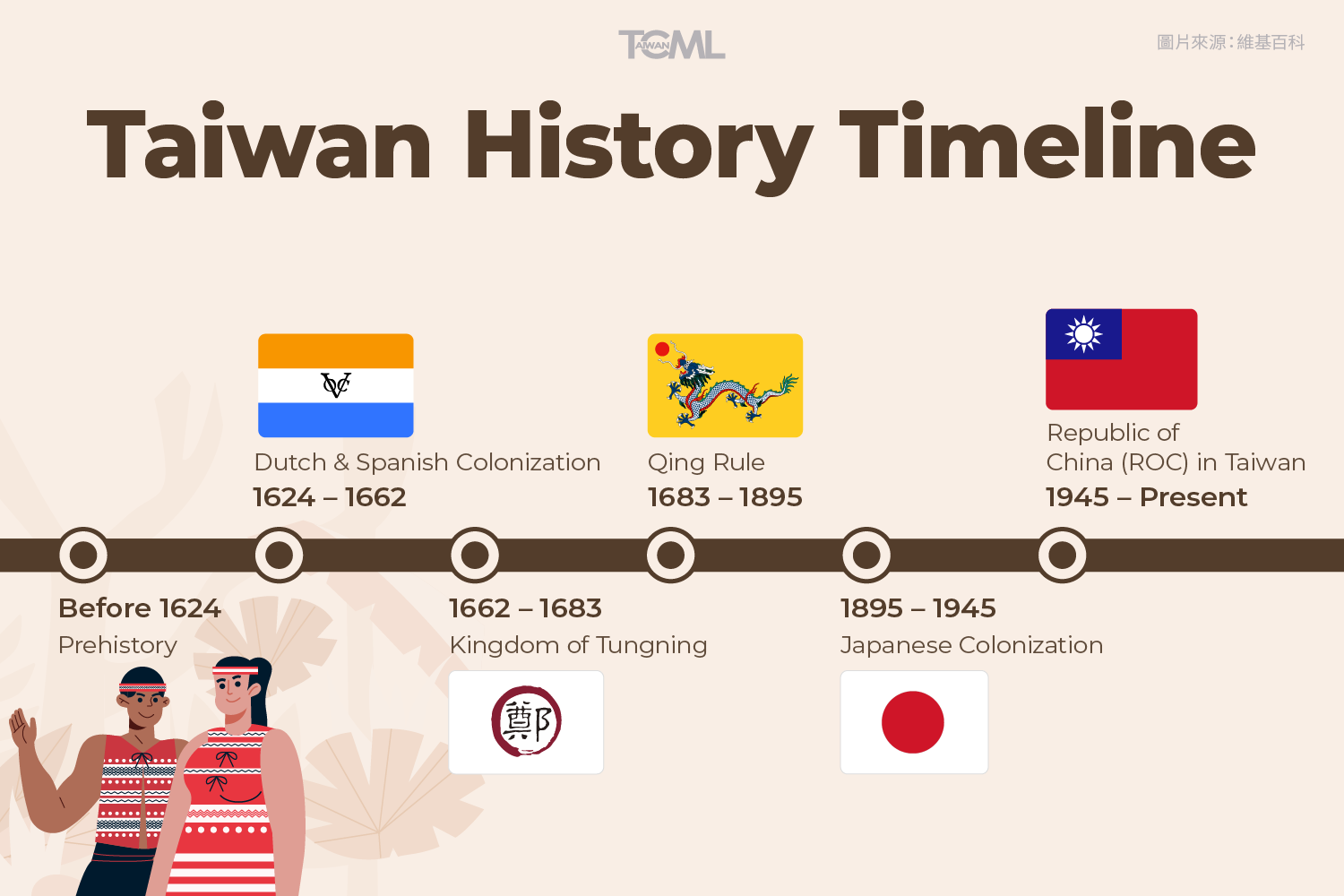
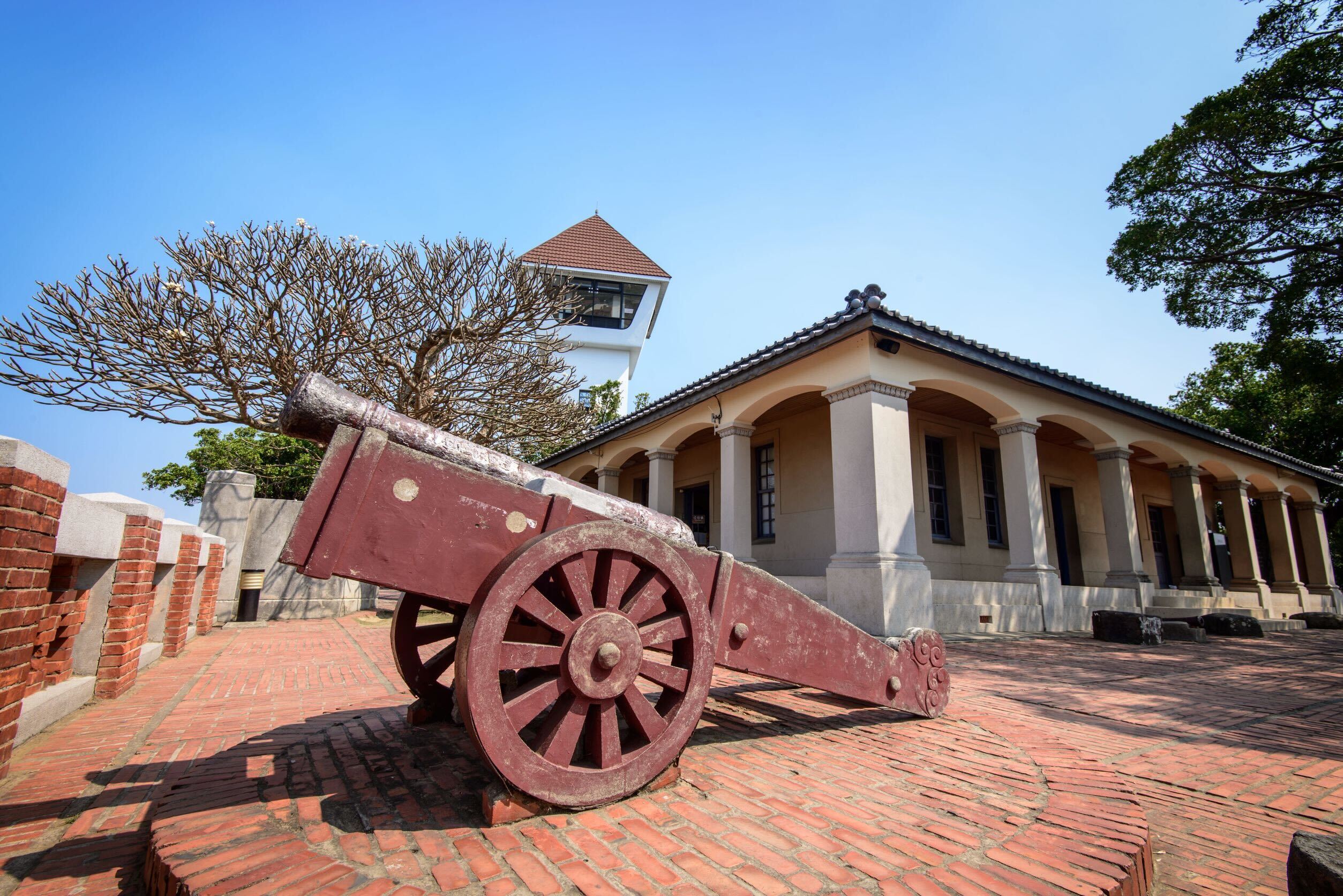
The city's biography is Taiwan's biography in miniature. Dutch merchants of the East India Company arrived in the 1620s, constructing Fort Zeelandia (today's Anping Fort 安平古堡) as a strategic trading post and Fort Provintia (Chihkan Tower 赤崁樓) as an administrative center. The elegant collision of Western fortification with European-styled stone foundations and the Asian decorative flourish topped with sweeping red-tiled eaves stops visitors in their tracks. These were followed by Ming dynasty loyalists (the Tungning Kingdom), Qing dynasty administrators, and Japanese colonial planners, each leaving architectural and cultural fingerprints that Tainan has never entirely scrubbed away.
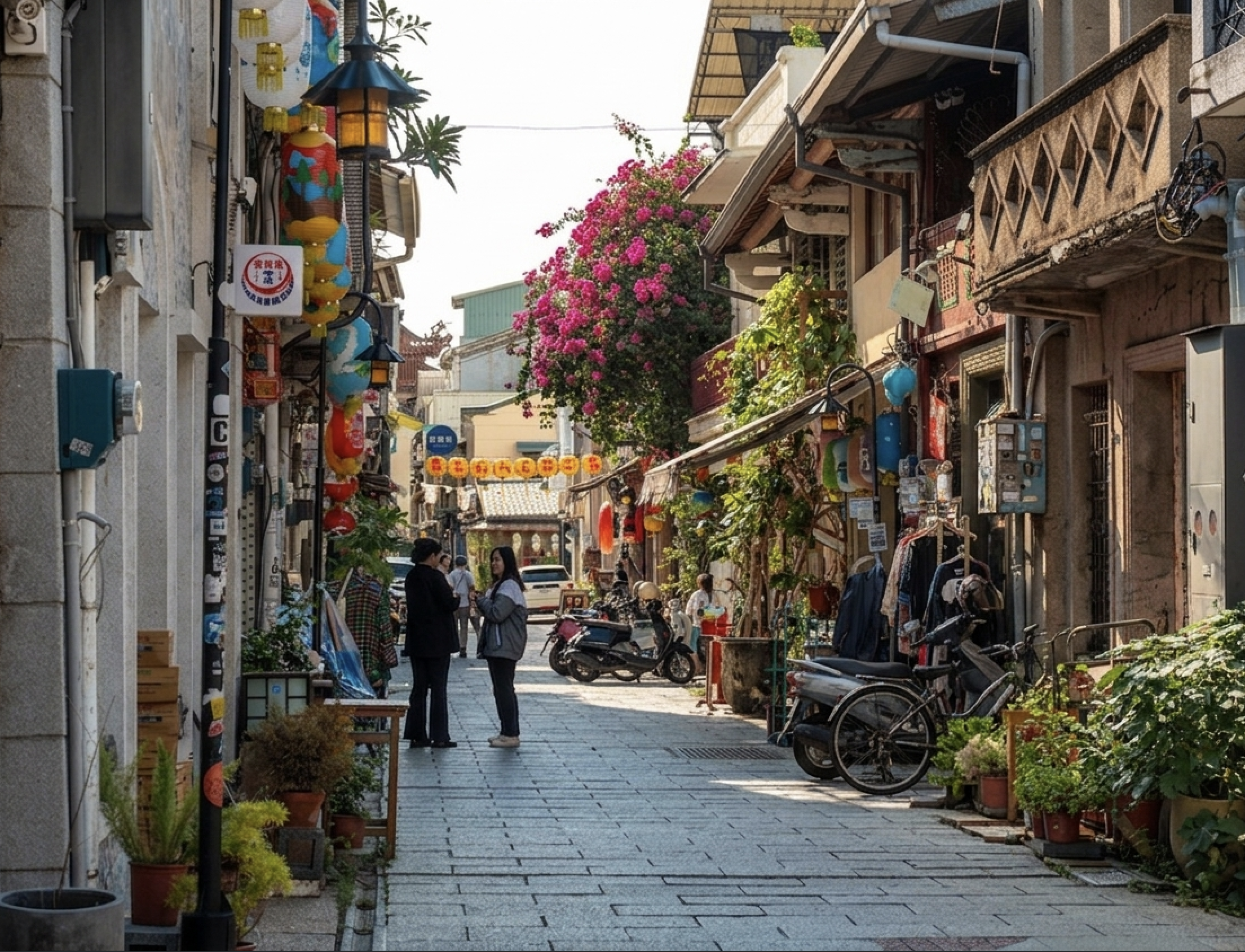
That layering is perhaps most beautifully expressed on Shennong Street(神農街), a Qing-era lane of century-old shophouses that has been quietly reborn through Taiwan's Old House, New Life movement: a grassroots initiative in which preservationists, architects, and local entrepreneurs collaborate to breathe contemporary purpose into heritage buildings rather than demolishing them. Today, the street's aged timber façades shelter independent coffee roasters, ceramics studios, natural dye workshops, and literary bookshops. It is the rare place where history feels neither museumified nor abandoned, but genuinely inhabited.
Then there is the food — and here, Tainan requires superlatives. Named by CNN Travel as one of the world's best travel destinations, the city is widely acknowledged as the culinary capital of an already food-obsessed island. Michelin's Bib Gourmand inspectors have repeatedly flagged its beef soup (served at dawn, from cattle slaughtered that morning), its dan zai noodles ladled with fried shrimp paste and slow-braised pork, and its oyster omelets. But the dishes that locals guard most jealously — shrimp rice, savory congee, sticky rice(米糕), and steamed rice cakes(碗粿)— rarely make it onto tourist maps. Tainan is also one of the birthplaces of Taiwan's now-legendary bubble tea culture, and its hand-shaken drink shops remain among the most inventive on the island. To eat your way through Tainan is to understand something essential about Taiwanese identity: the belief that a beautifully made, unpretentious bowl of something is among life's highest achievements.
Hualien & Taitung: Taiwan's Wild, Healing East
Ask most international visitors what they associate with Taiwan and you'll hear: bubble tea, night markets, perhaps Taipei 101. Fewer think immediately of the east coast, where you can discover Taiwan’s majestic landscape and indigenous culture.
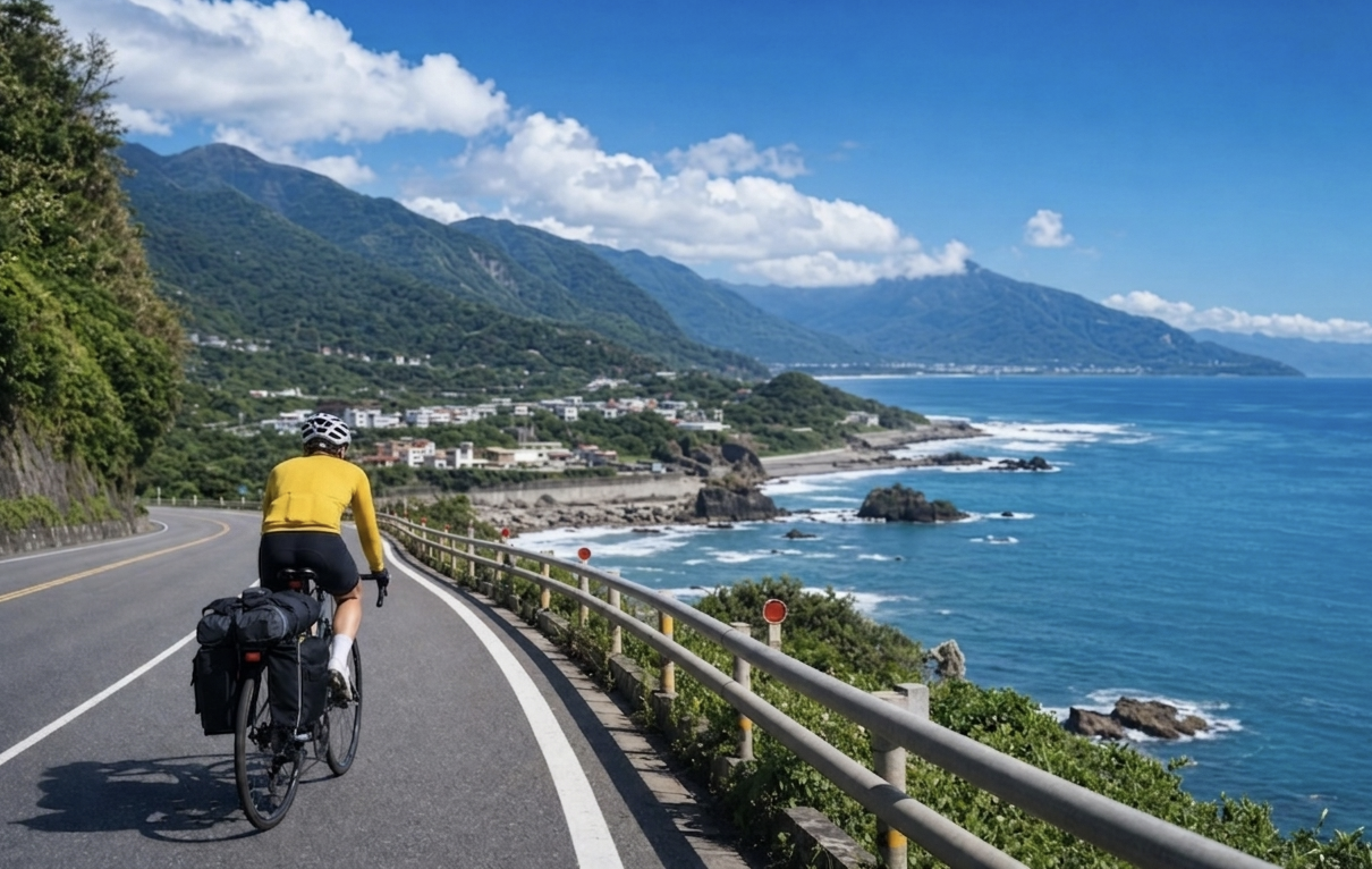
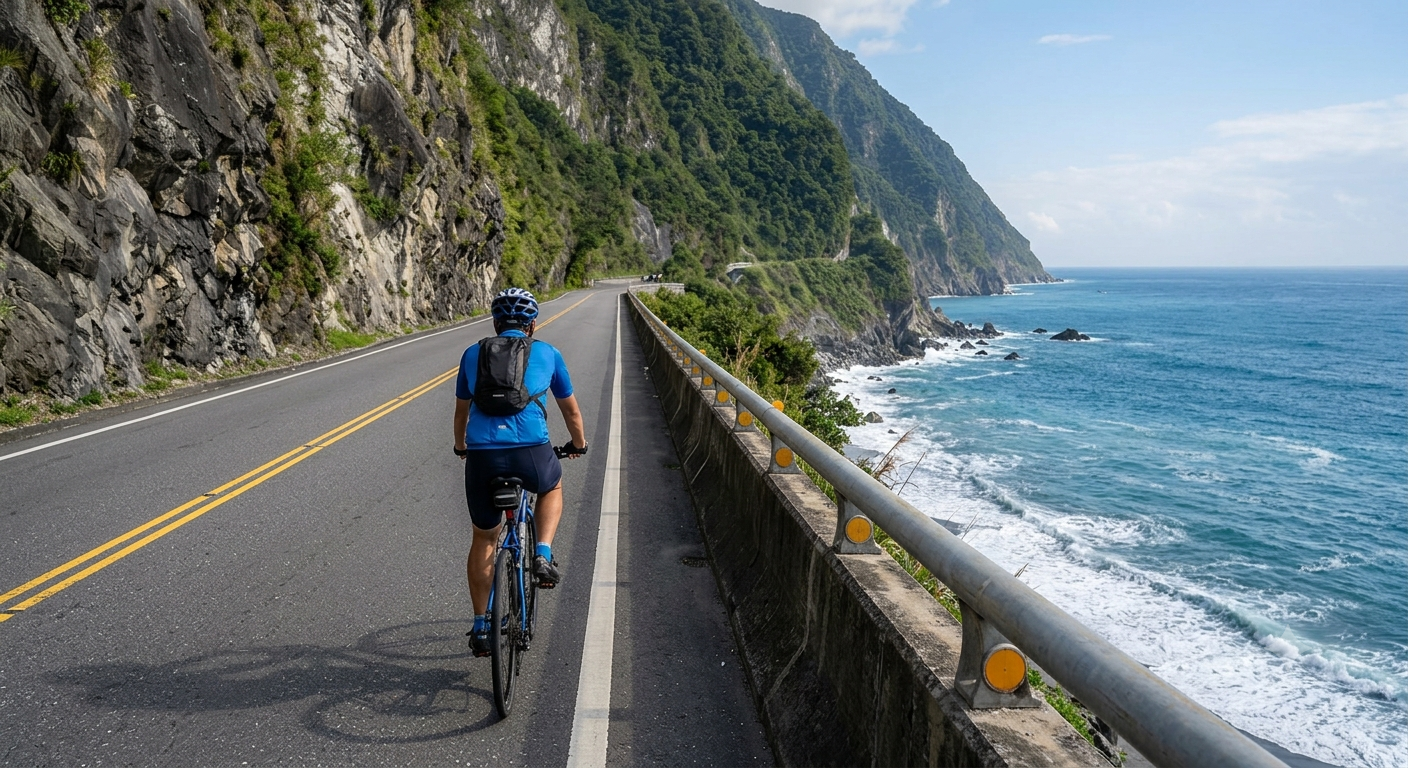
The Hualien-Taitung corridor, collectively known as Hualien-Taitung or "Hua-Dong," stretches along Taiwan's Pacific flank, shielded from the west by the towering Central Mountain Range. The result is a landscape of startling drama. Taroko Gorge, a 19-kilometer marble canyon carved by the Liwu River, is among Asia's most spectacular geological formations, its sheer white and grey walls rising hundreds of meters above rushing turquoise water. Nearby, the Qingshui Cliffs plunge nearly 2,000 meters directly into the Pacific: a vertical meeting of mountain and ocean that has made this stretch of coastline a pilgrimage site for cyclists and hikers from around the world, who come each year to ride the legendary Provincial Highway 11(臺11線)with the sea on one side and the mountains on the other.
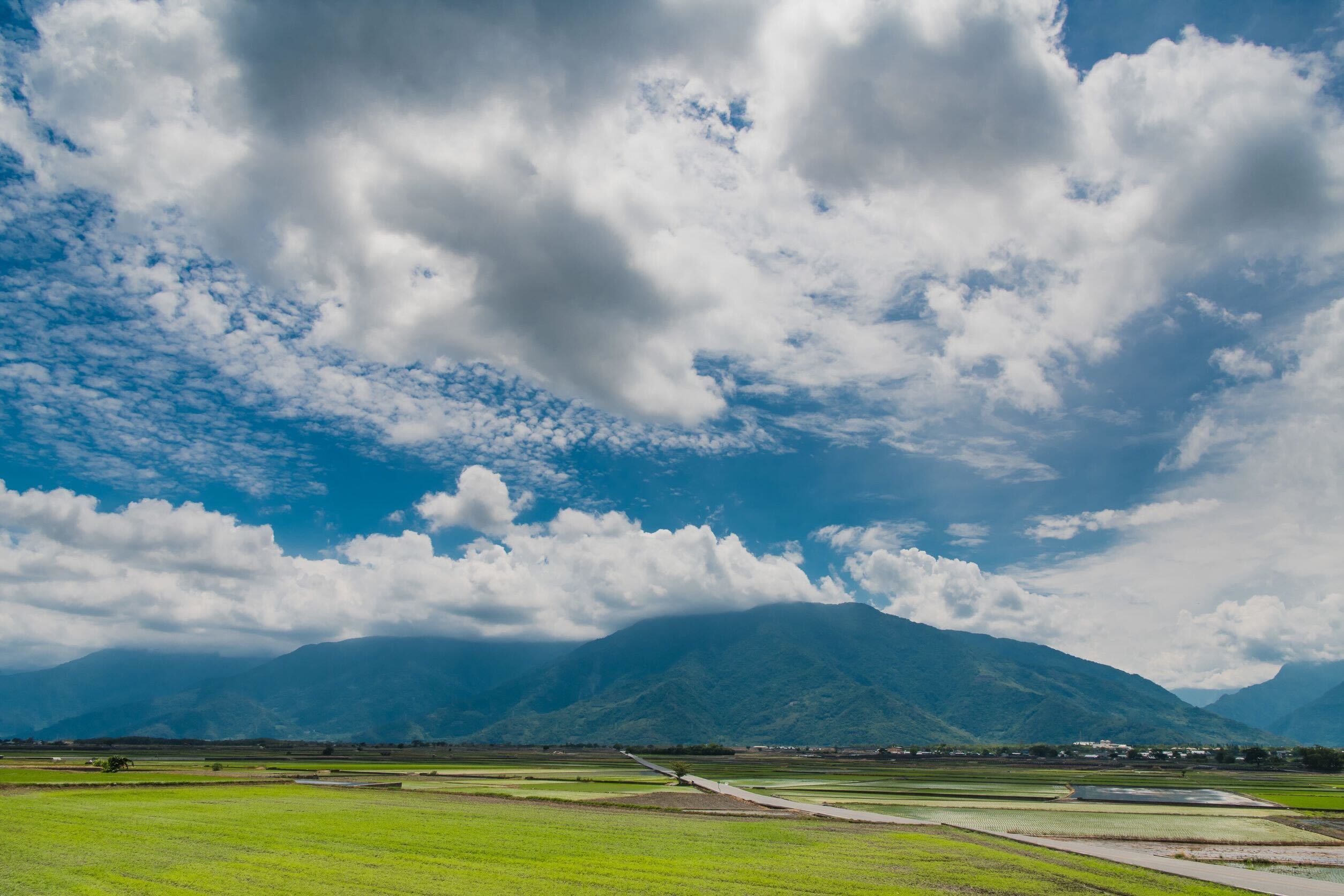
Further south, the Hua-Dong Valley opens into a different kind of grandeur, horizontal rather than vertical. The rice paddies of Chishang(池上), with their perfectly gridded fields stitched between green hills, have achieved something close to iconic status in Taiwan. The so-called "Brown Boulevard" (or Bolang Avenue,伯朗大道) offers a pastoral panorama that feels almost surreally beautiful in autumn, when the paddies turn to gold.
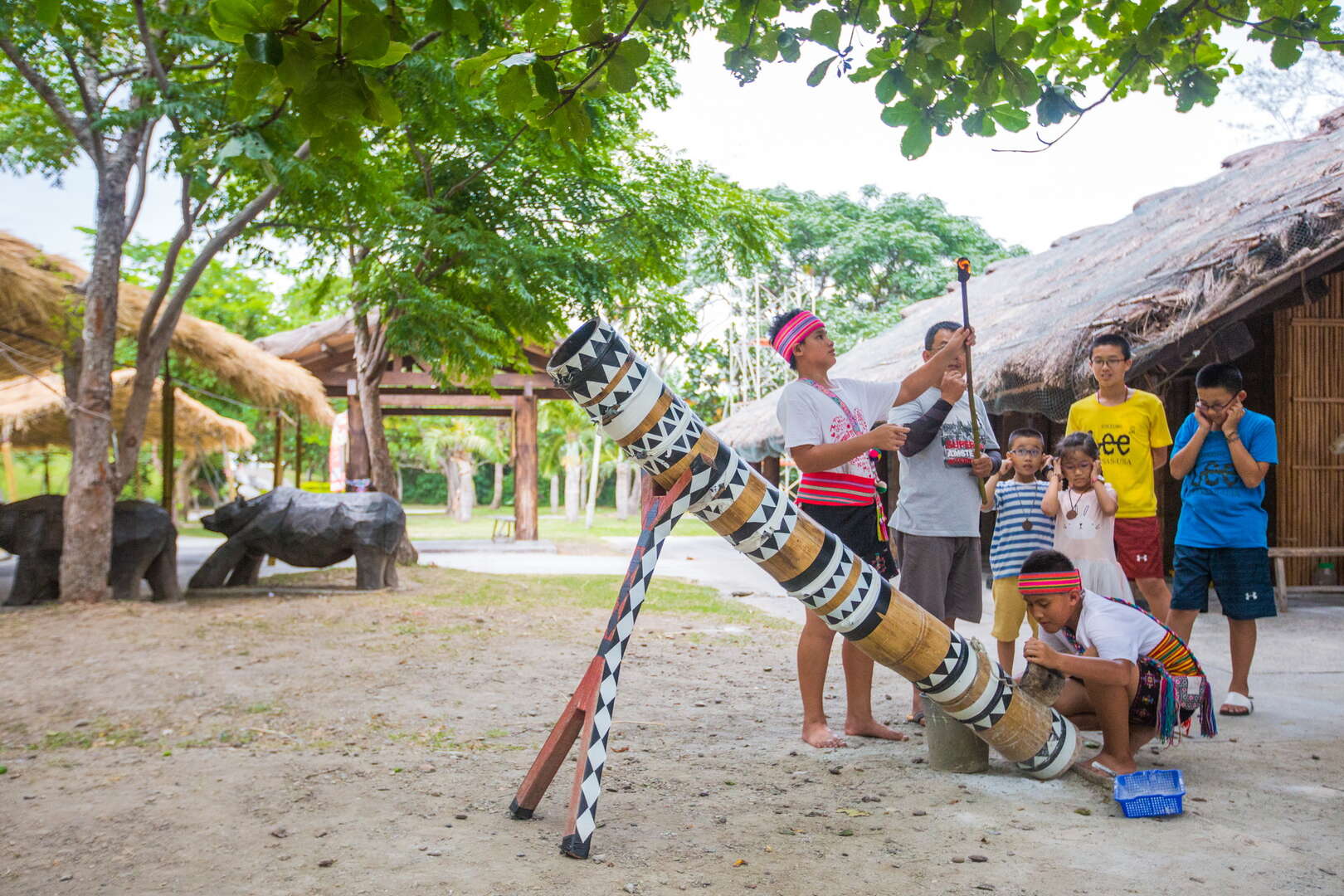
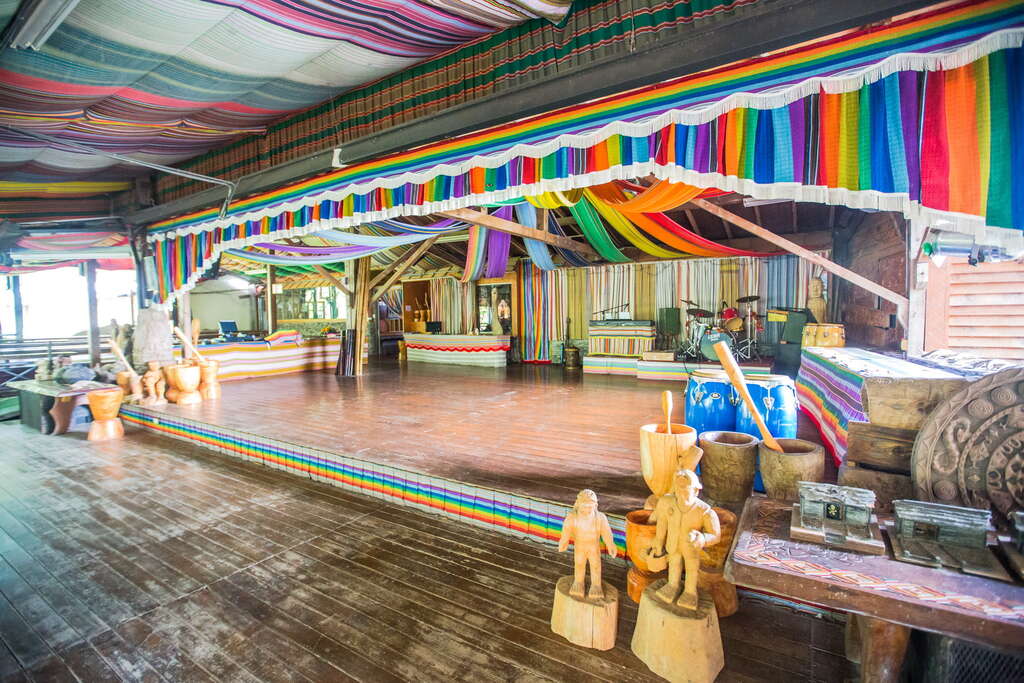
But the east coast offers more than scenery. This is the region where Taiwan's Indigenous cultures (many of them belonging to the Austronesian language family, whose descendants include the Māori of New Zealand and the peoples of Polynesia, the Philippines, and Madagascar, according to research) have been best preserved. Visitors can spend time in Bunun and Amis tribal communities, participating in slow food traditions that connect cooking directly to land stewardship, seasonal rhythms, and ancestral knowledge. Traditional weaving, music, and architecture are not performances staged for tourists but practices maintained by living communities.
Alishan: Legends in the Mist
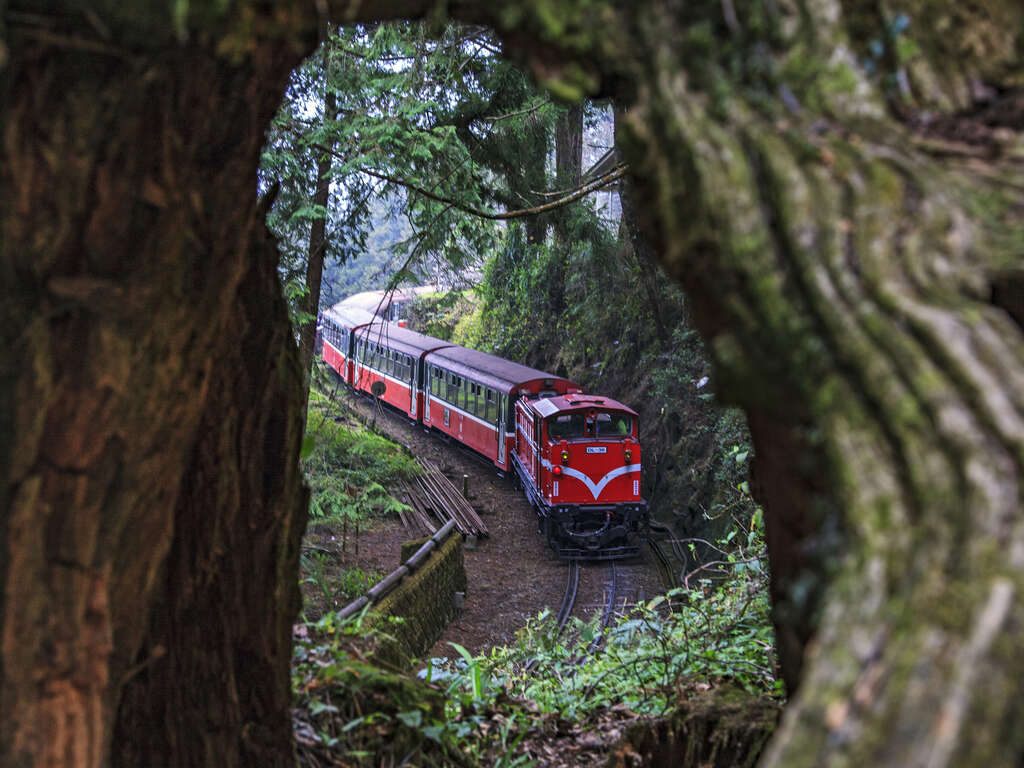
There are railway journeys, and then there is Alishan(阿里山). Ranked alongside India's Darjeeling Himalayan Railway and Peru's Andean Explorer as one of the world's great mountain rail lines, the Alishan Forest Railway is an engineering marvel that has been threading through cedar and cypress forests since the Japanese colonial era. As the little red train climbs nearly 2,200 meters in under four hours, its famous switchback "Z-turn" at certain inclines and spiral loops around Duli Mountain delight railway enthusiasts and casual passengers alike.
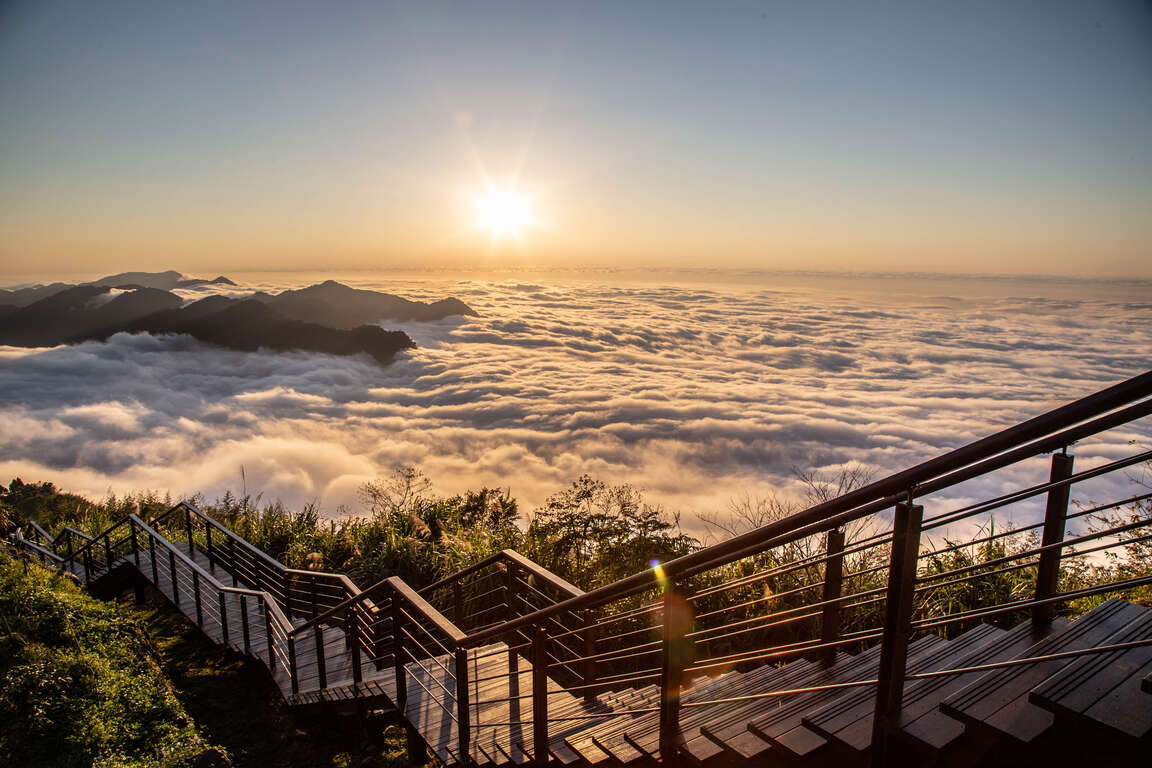
But Alishan's fame rests equally on what it shows you at the top. The mountain's "Five Wonders" — sunrise, sea of clouds, ancient forest, sunset, and the railway itself — have made it one of Taiwan's most beloved natural destinations. At dawn, visitors who have risen early enough to reach Zhushan viewing platform witness a phenomenon that feels almost choreographed: the sun crests the horizon, and the valleys below fill with rolling white clouds, with the peaks of Yu Shan (Jade Mountain, Taiwan's highest) floating above like islands. Through the ancient red cypress groves (some of them over a thousand years old, their trunks wider than small houses) morning light filters in long, cathedral columns.
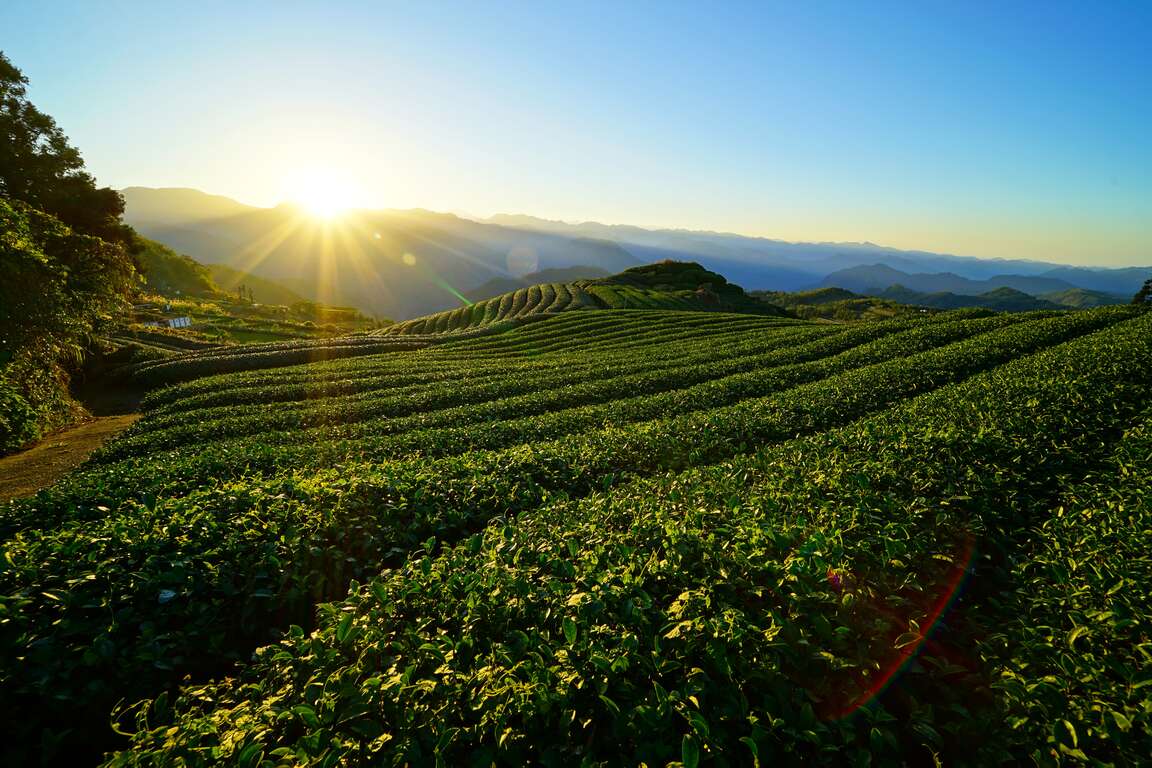
For those who love tea, Alishan is a pilgrimage of another kind. The high-altitude climate and mineral-rich soil produce oolong teas considered among the finest in the world. At small farms around Shizhuo village(石棹), visitors can follow the full arc from leaf to cup: watching the hand-picking, sun-withering, rolling, and roasting processes that give Alishan oolong its characteristic floral sweetness. It is a slow, meditative experience that pairs well with the mountain's general disposition toward unhurry.
Sun Moon Lake: Poetry in Still Water
Taiwan's largest natural lake sits in the misty highlands of Nantou County(南投縣), its northern half shaped like a sun disk, its southern arc curving like a crescent moon. This is Sun Moon Lake(日月潭), and the name, for once, does not oversell the reality.
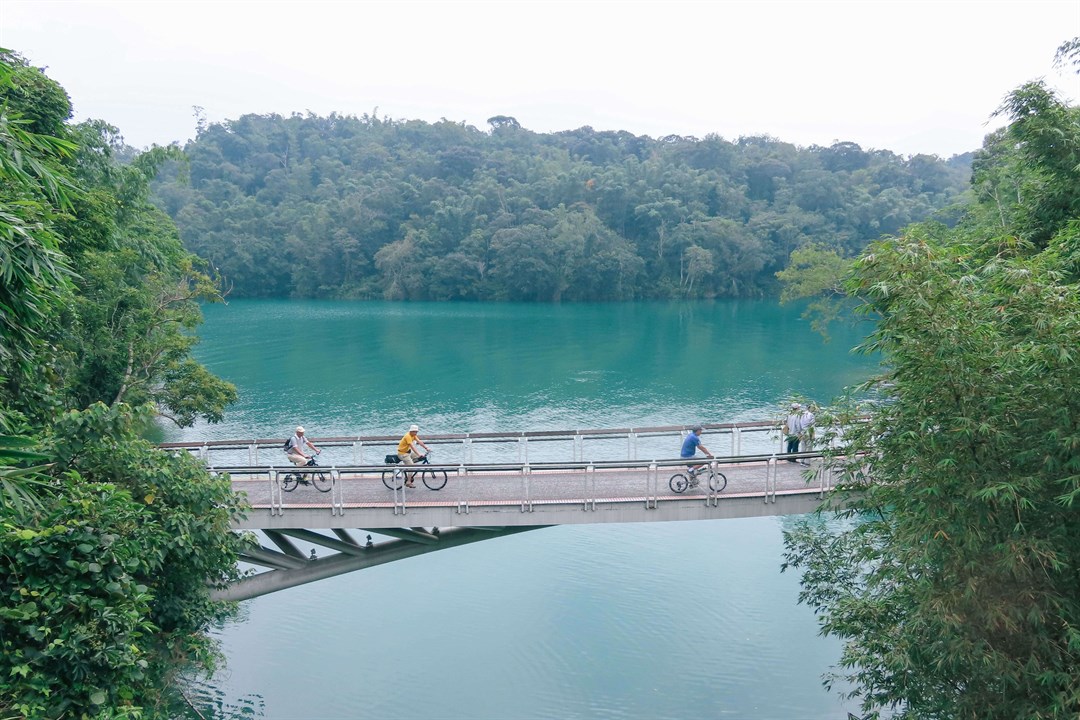
The lake is everything the east coast is not: serene, reflective, deliberately paced. Its surface changes color with the hour and weather, from silver at dawn to deep jade by midday to coral pink at dusk. The hills that ring it are planted with tea: specifically, the Sun Moon Lake Ruby Red, a variety developed here in the 1990s that has quietly become one of Asia's most celebrated black teas, with a natural cinnamon and mint character unlike anything grown elsewhere.
CNN Travel once named Sun Moon Lake's cycling route among the ten most beautiful in the world. The 33-kilometer lakeside path is smooth, scenic, and designed to be ridden at the speed of enjoyment rather than competition. Families, couples, and solo travelers pedaled past temple pavilions, water buffalo meadows, and lookout points that open onto the full panoramic sweep of water and mountain.
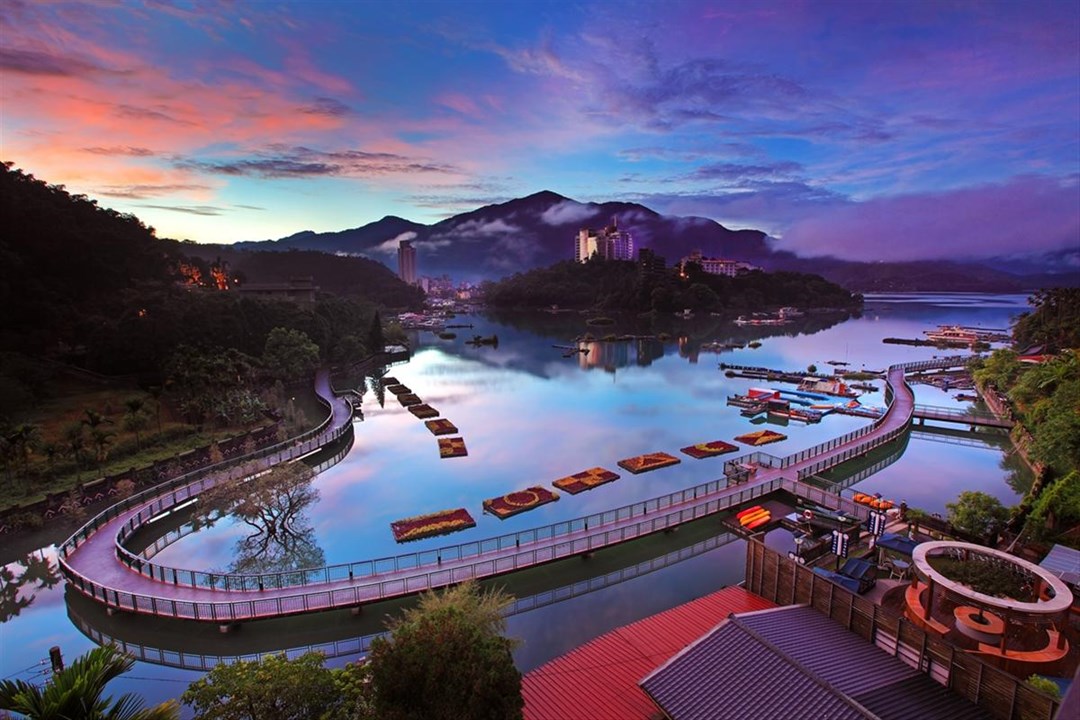
The spiritual architecture of the lake — Wenwu Temple(文武廟)guarding its northern shore, Xuanzang Temple(玄奘寺)housing relics of the famous Tang dynasty monk — gives Sun Moon Lake a contemplative quality that distinguishes it from purely recreational resort destinations. It is a place where high-end travelers (the lakeside Lalu hotel is considered one of Asia's finest resort properties) and budget backpackers find themselves equally content, united by the simple experience of sitting still and watching light move across water.
The Invitation
Taipei will always be Taiwan's most international room. Its convenience, energy, extraordinary food and nightlife make it an ideal gateway. But a gateway, by definition, is not the destination.
The four regions described here — Tainan's ancient streets, the wild Pacific east, Alishan's mist-wrapped ridgelines, Sun Moon Lake's still waters — represent something different: the warm, complex, endlessly surprising interior of a country that rewards those who go looking. After all, Taiwan is an island that gives more the deeper you travel into it.
