


The automatic doors slide open, and the humidity of Taiwan hits you before anything else does. You've just landed, jet-lagged, dragging a suitcase with one wheel that refuses to cooperate, unsure whether the ATM will accept your card or whether anyone here speaks English. Then you see it: a clean, quiet platform with signage in four languages, a train gliding in exactly on schedule, and a digital clock counting down to the minute. You tap the EasyCard you just bought against a reader, and just EASY like that, you're on your way into Taipei.
This is most travelers' first 15 minutes in Taiwan, and it sets the tone for everything that follows. Taiwan's public transportation network isn't just efficient, it's a quiet, confidence-building introduction to the island itself. It's clean enough to eat off the floor, punctual to the minute, and safe enough that solo travelers, international students, and businesswomen alike ride the last train home without a second thought. For anyone weighing a vacation, a semester abroad, or a market-scouting trip, that first frictionless ride matters more than people expect. It tells you: this is a place where things simply work.
The Core Network: 4+1 Accessible Ways to Move
All this theory is best proven on an actual journey. So here's what it looks and feels like to ride four of Taiwan's most iconic routes from start to finish.
High Speed Rail: The West Coast in Fast-Forward
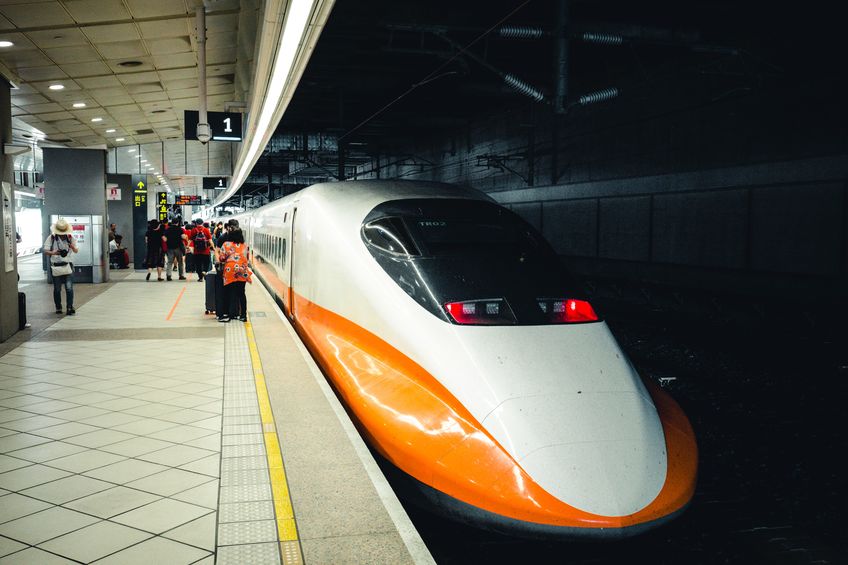
Taiwan's High Speed Rail (THSR) collapses the island's western corridor into a commute. Taipei to Kaohsiung (roughly the length of Taiwan) takes just 94 minutes, aboard trains so smooth you can work on a laptop without spilling your coffee. Fares undercut comparable bullet trains in Japan or Europe by a wide margin, and the seating options flex to fit any traveler: standing-room-friendly non-reserved cars, standard reserved seating, or a business-class cabin for those who want extra space and silence. Tickets are available through the official app, at convenience stores, or at station counters, no advance planning required. For business travelers, it makes cross-city meetings a same-day affair. For tourists based in Taipei, it makes a "flash trip" to the south entirely realistic, even travelers flying out of Kaohsiung can squeeze in a quick side trip to historic Tainan beforehand.
Taiwan Railway: The Slow, Scenic Alternative
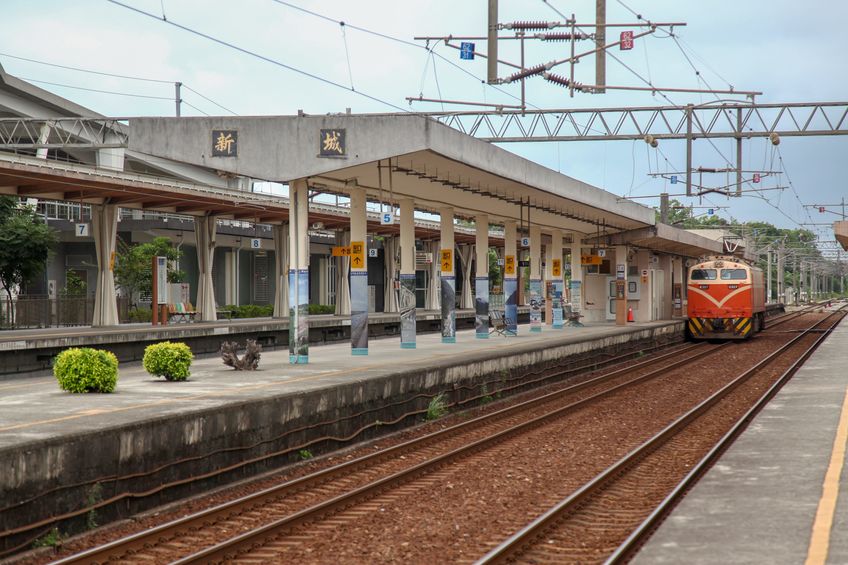
Where the High Speed Rail is about speed, the Taiwan Railway (TRA) is about depth. Its tracks reach small towns and hidden corners the bullet train never touches, including stations with a genuinely retro, time-capsule charm. Recent additions like the Mountain Breeze and Sea Breeze tourist trains have turned the ride itself into the destination, pairing scenic routes with local guided stops and dessert tastings in colorfully themed carriages. Commuters can choose between the affordable, frequent, tap-and-go Local Trains for short hops, or the mid-tier Tze-Chiang Express for longer journeys (booking ahead is recommended to avoid missing a seat). Rail enthusiasts and casual travelers alike gravitate to the Pingxi Line in the north, which threads together the historic mining town of Pingxi and the cat-loving village of Houtong. Like the THSR, tickets are available via app, convenience store, or station window.
The MRT: Effortless City Life

In Taiwan's major metro areas like Taipei, Taichung, Kaohsiung, and Taoyuan, the MRT (Mass Rapid Transit) handles the job of getting around town, and does it with impressive polish. Taipei boasts the densest network, Taoyuan's line runs a direct route between the airport and the twin cities of Taipei and New Taipei, and Kaohsiung pairs its MRT with a scenic light rail loop. No eating or drinking is allowed on any line, which keeps every carriage spotless. The payoff shows: in 2025, Taipei was ranked the world's fifth-best city for public transportation by the UK's Time Out magazine, and its MRT lines routinely clear a 99% on-time rate — numbers that international YouTubers and returning travelers have taken notice of, often calling it one of the best subway systems anywhere. Riders can pay by scanning a QR code or token at the gate, tapping a phone, or using an EasyCard.
Buses and Intercity Coaches: For the Adventurous

Bus routes in Taiwan can look intimidating at first glance: dense, overlapping, and less intuitive than a subway map. But for travelers willing to embrace a bit of exploration, the reward is access to streets and neighborhoods no rail line reaches. Digital displays at most stops show real-time arrival countdowns in English, a convenience that's far from standard elsewhere in the world. No coins on hand? No problem, card readers accept EasyCard taps, no exact change needed. Just remember to tap both boarding and exiting, and note that some highway coaches don't pick up standing passengers once seats fill (patience for the next departure is sometimes required). And if you ever get stuck, don't hesitate to ask; Taiwanese locals have a well-earned reputation for going out of their way to help.
YouBike: The Human-Powered Bonus

Rounding out the network is YouBike, Taiwan's bike-share system built on frames from Giant, the island's own cycling icon. Stations cluster near MRT exits and bus stops (especially in Taipei) and several cities offer a free first 30 minutes plus transfer discounts when paired with rail or bus rides, making it one of the healthiest and cheapest ways to see a neighborhood up close. Long-term residents, students and professionals with a local phone number and passport can register through the official app or website. Short-term visitors can simply use the app's single-ride option, linking an email and a credit card (a roughly NT$3,000 / US$100 hold) to unlock a bike on the spot.
One Card, One App, the Whole Island

The unsung hero tying this entire system together is the EasyCard: a single card accepted on the MRT, buses, many intercity coaches, select TRA trains, and YouBike, and usable as a digital wallet at convenience stores and countless retailers island-wide. Lost your wallet or your phone died? An EasyCard in your pocket can genuinely save the day. Both the Taipei and Kaohsiung MRT systems now also support tapping in directly with a smartphone.
For anyone staying longer, the TPASS monthly pass is worth knowing about: priced between roughly NT$699 and NT$2,300 (approx. 23-76 USD) depending on region, it offers unlimited rides across TRA, MRT, buses, coaches, and YouBike within a chosen living zone — some versions even include ferries. It's a favorite among resident students and professionals, and well worth considering for anyone planning an extended stay.
Field-Tested Routes: Three Icons, Zero Car Required
Heading North to Jiufen's Lantern-lit Alleys

From Taipei Main Station, hop the TRA northeast line and watch the city fade into green hillsides. At Ruifang Station, transfer to bus 965 or 788, which winds uphill along the switchbacks. Get off at the edge of Jiufen's old street, where red lanterns glow over stalls steaming with taro balls. One EasyCard tap carries you the whole way, train to bus to cobblestones.
Walking on Kenting's Southern Beaches & Sunshine

Catch the High Speed Rail south, and in 94 minutes Taipei's skyline gives way to sun-bleached Zuoying Station. Outside the train, the view has already shifted from towers to farmland to coastal haze. From Zuoying, board the Kenting Express coach for the final stretch down the peninsula, turquoise water flashing into view. It drops you right on Kenting's main beach street: no car, no rental paperwork, just half a day from capital to coastline.
Sing Along to Kaohsiung's Sirening Art & Harbor Scene:

Straight from Kaohsiung International Airport, board the Kaohsiung MRT Red Line into the warmer, slower rhythm of the south. Transfer to the Orange Line at Formosa Boulevard, worth a look up at its glass "Dome of Light" ceiling. Exit at Yanchengpu, a five-minute walk from Pier-2's converted warehouses and outdoor art. Prefer a view along the way? Ride on to Sizihwan and finish by harborside light rail instead, tracing the water in the open air.
Come Easy, Go Easy in Taiwan
A canyon carved over millennia, a stretch of tropical coastline, a warehouse district buzzing with startups and street food… Taiwan has so much to offer, and none of it demands a rental car, a local driver's license, or even much advance planning. Just a charged phone, a card in your wallet, and a willingness to follow the signs. That's what makes Taiwan feel less like a place you visit and more like a place you can actually move through: easily, safely, and on your own schedule, whether you're here for a week, a semester, or the start of something longer.
