

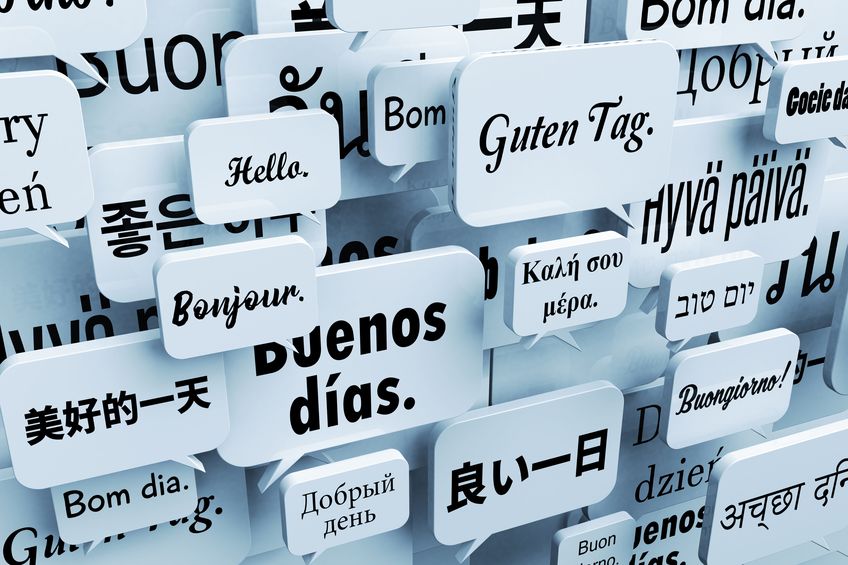
Here is a secret for anyone planning a first trip to Taiwan: you may already speak a little of the language. Say “bento,” and you are using a word this island borrowed from Japanese. Reach for a guava, and you are only a few syllables away from Spanish. Pick up a head of cabbage at a market stall and, if the popular story holds, you are echoing a Dutch sailor.
Taiwanese Mandarin is full of loanwords like these, and each one is a small fossil, proof that ships from far away once dropped anchor here and left something behind. Follow the words, and you can read the island’s history without opening a textbook.
An Island at the Crossroads

Taiwan sits on one of East Asia’s busiest sea lanes, and in the seventeenth century Europe took notice. The Dutch East India Company arrived in 1624 and built its base near today’s Tainan. There it opened farmland and traded in sugar and deerskins. Two years later the Spanish, eager to compete with the Dutch for access to Asian resources, claimed the north. They raised forts around Keelung and Tamsui and brought Catholic missionaries with them. By 1642 the Dutch had pushed the Spanish out. Twenty years later, in 1662, they were themselves expelled by the Ming loyalist Zheng Chenggong, who maintained the Kingdom of Tungning on the island for a brief 22 years.
During the Qing dynasty that followed, waves of settlers from southern China made Hokkien (Taiwanese) and Hakka part of daily life. Then, in 1895, Japan took control of the island, its first overseas colony, and stayed for fifty years. It laid railways, modernized sanitation and schooling, and taught a generation to live by clocks, electric lights and city buses. After the Republic of China (Taiwan) government arrived in 1945, Mandarin became the common tongue. Today it keeps absorbing new words, mostly from English: 部落格 (bù luò gé/ blog), 迷因 (míyīn/ meme) , 雷射 (léi shè/ laser).
Each wave of newcomers left traces in the language, and even until now, you can find these traces in the street signs, market stalls and everyday conversations in Taiwan.
Souvenirs from Spain and the Netherlands
Let’s start with the oldest layer, left by the sailors who arrived in the 1620s: one on the map, two in your shopping basket.
A cape named after a saint:
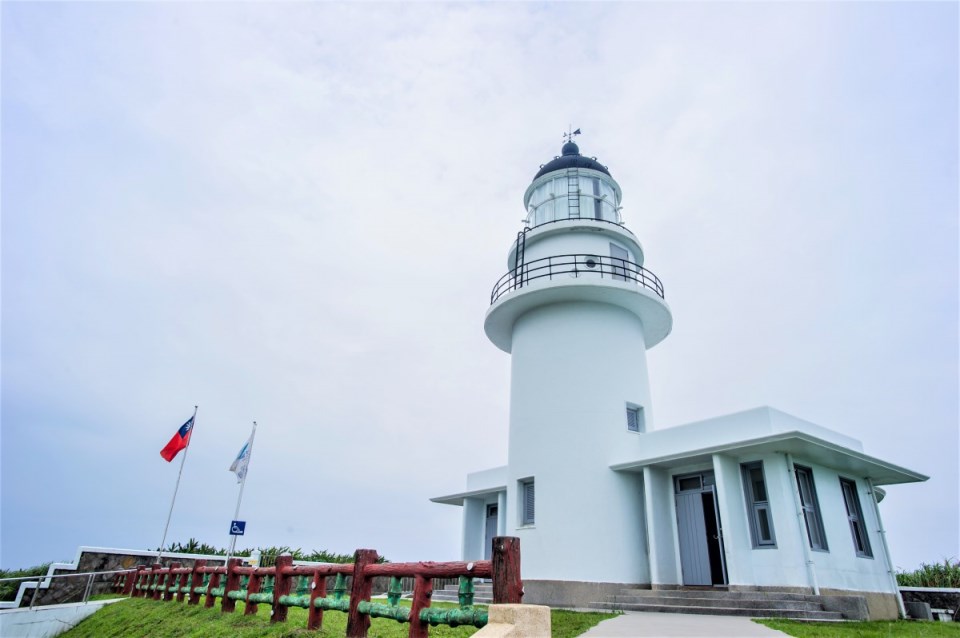
On Taiwan’s northeast coast, the easternmost point of the main island is Cape Santiago, written 三貂角 (Sāndiāo Jiǎo) in Mandarin. Spanish sailors named it after Saint James, the same saint whose name is carried by cities from Chile to northern Spain. Local Mandarin speakers heard “Santiago” and wrote down the nearest sounds they could. Say “Santiago” quickly, then say Sāndiāo Jiǎo, and you can hear the resemblance. Walk out to the lighthouse on this windswept headland and you are standing at the edge of the island, and at the edge of a seventeenth-century Spanish map.
The fruit with three languages:
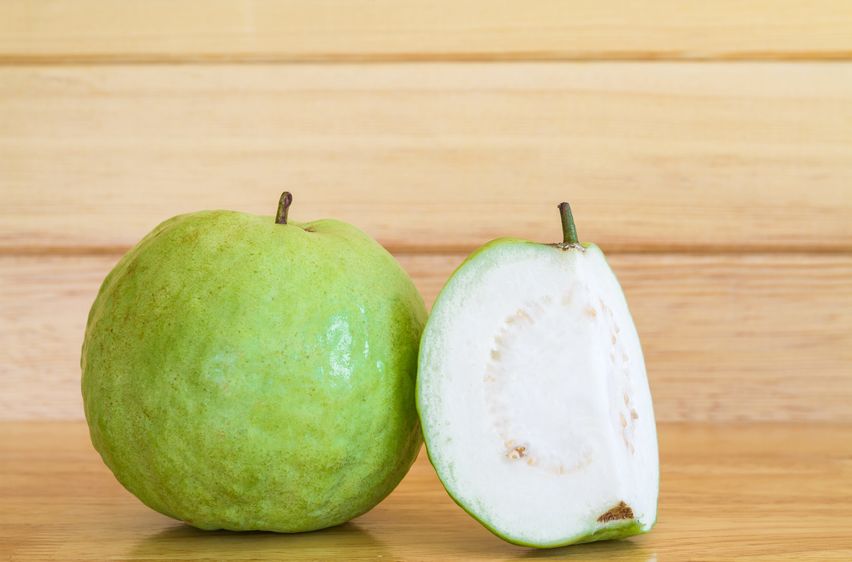
Guava is native to the lands between Mexico and Peru, where it fed the Aztec and Inca peoples from centuries ago. Indigenous communities there still use it as medicine and in health drinks. After the sixteenth century, Spanish ships carried it around the world, and Taiwan was possibly included. The Spanish called it guayaba, which also gave English “guava.” In Taiwan, local speakers shortened it to pa̍t-á (菝仔) in Taiwanese Hokkien, and Mandarin later borrowed the sound as bālè (芭樂). The word is Spanish in origin, shaped by Taiwanese, and finally absorbed into Mandarin, three languages in one crunchy snack. If you ever visit Taiwan, don’t forget to try Taiwanese guava[1.1], sliced and dusted with sweet-and-salty plum powder!
The cabbage that isn’t Korean.
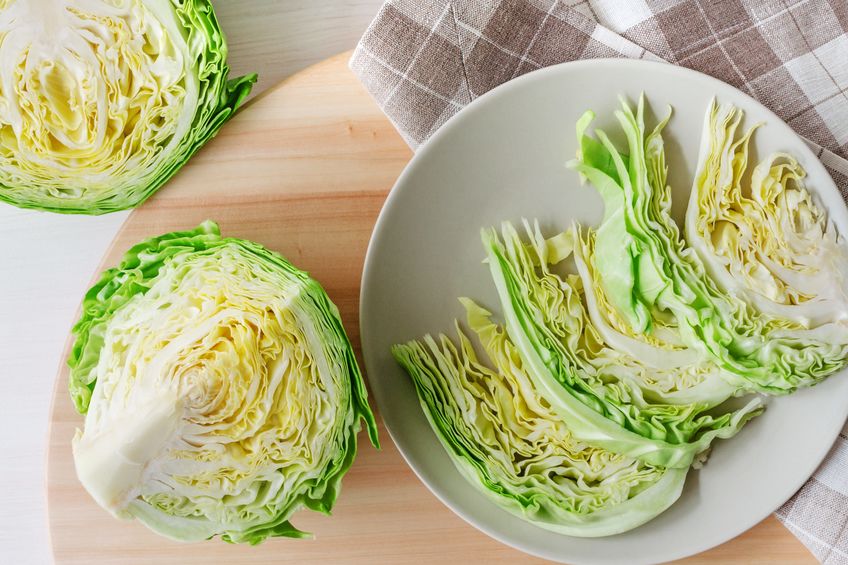
Gāolí cài (高麗菜), or cabbage in Taiwanese Mandarin, literally means “Goryeo vegetable,” and Goryeo was an old Korean kingdom. Add the fact that this cabbage thrives in cooler highland climates, and many Taiwanese assume it came from Korea. However, it most likely arrived with Europeans in the seventeenth century, and its name may echo the Dutch word kool or the Latin caulis. So the next time a Taiwanese friend orders cabbage, you can tell them it has a Dutch accent. You may know more about their language than they do.
Fifty Years of Japan, Written Into the Map and the Menu
Japan’s half-century on the island left the deepest and most visible layer of loanwords, as Japanese was the language of schools, offices and trains.
Rewritten place names:
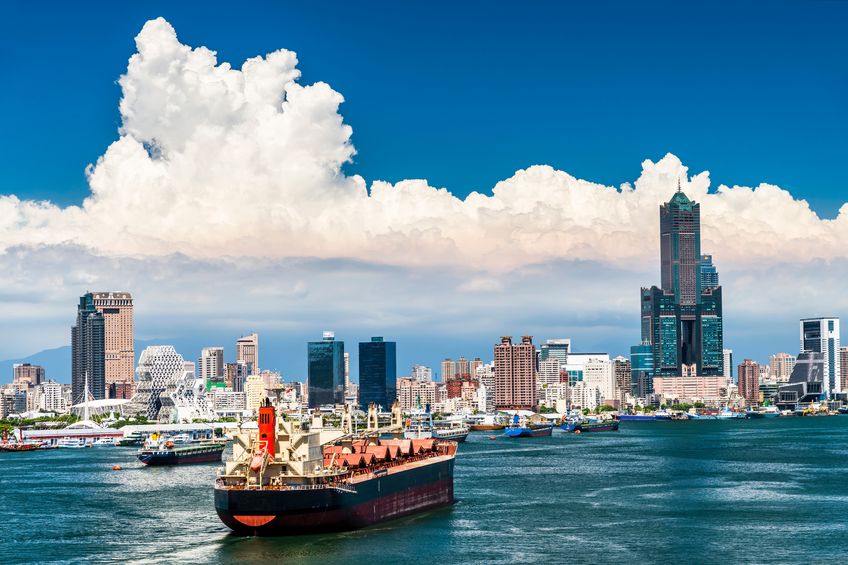
Take Kaohsiung, Taiwan’s great southern port. Its original name was Takau (打狗), taken from an Indigenous word for a thicket of bamboo. In 1920, the Japanese authorities kept the sound but swapped in more elegant characters: 高雄, pronounced Takao in Japanese. Kyoto has a mountain with the very same name and characters, and the two governments have made multiple collaborations to boost bilateral tourism.
Another example is Xìzhǐ (汐止), now a Taipei suburb. It was once called “where the water turns back” (水返腳), a reference to the tidal river that carried boats inland. The Japanese government translated the idea instead of the sound, combining the characters for “tide” and “stop” to make 汐止. One city got a new spelling and the other got a new poetic name with similar meaning, and both names are still in use today.
The snack with a long journey:
Then there is tiánbúlà (甜不辣), a deep-fried fish-paste cake, usually simmered in broth at night markets and convenience stores. The name comes from the Japanese tenpura (てんぷら). In parts of western Japan the word is used for fried fish cakes, much like the Taiwanese snack. (In eastern Japan the same food is more often called satsuma-age.) The word itself is widely thought to have come to Japan from Portuguese traders in the sixteenth century. So a single bowl of Taiwanese street food carries a trail from Portuguese ships to Japanese kitchens to Taiwanese night markets, a small lesson in how global food history really works.

Lunch, the Japanese way:
The word biàndāng (便當) is a Taiwanese transliteration of the Japanese bentō (弁当). A bento is more than a lunchbox in Taiwan: it is a daily institution. Railway-station boxes of rice topped with a pork chop, a braised egg and pickled vegetables have fed commuters and travelers for generations. People line up for them at train platforms, and some travelers say a bento is half the reason to ride the rails.
Come and Experience The Language for Yourself
Notice the pattern in these stories. Taiwanese Mandarin rarely just copies. It adopts a foreign word, adjusts it to local ears, and makes it feel like home. A Spanish fruit becomes a Taiwanese word and then a Mandarin one. A Japanese lunchbox becomes the island’s most beloved meal. This habit of opening up, absorbing and transforming runs through the whole culture, from the food to the festivals to the way strangers are treated. People who have only skimmed Taiwan’s story sometimes call it complicated. Visitors who look closer often find it generous.
If these words have made you curious, Taiwan is the best classroom for them. Walk the walls of Fort Zeelandia in Tainan, where the Dutch once ran their trading post, then head north to Fort San Domingo in Tamsui, with its Spanish roots, and watch the sun set over the river. Make the trip out to the lighthouse on Cape Santiago, where Spanish sailors once named the coast. Back in the city, ride a train, eat the bento, and say biàndāng with confidence. Better still, sign up for a Mandarin class here, where every new word can come with a story, and every story ends at a table.
Languages are windows, and Taiwan’s is wide open.
