

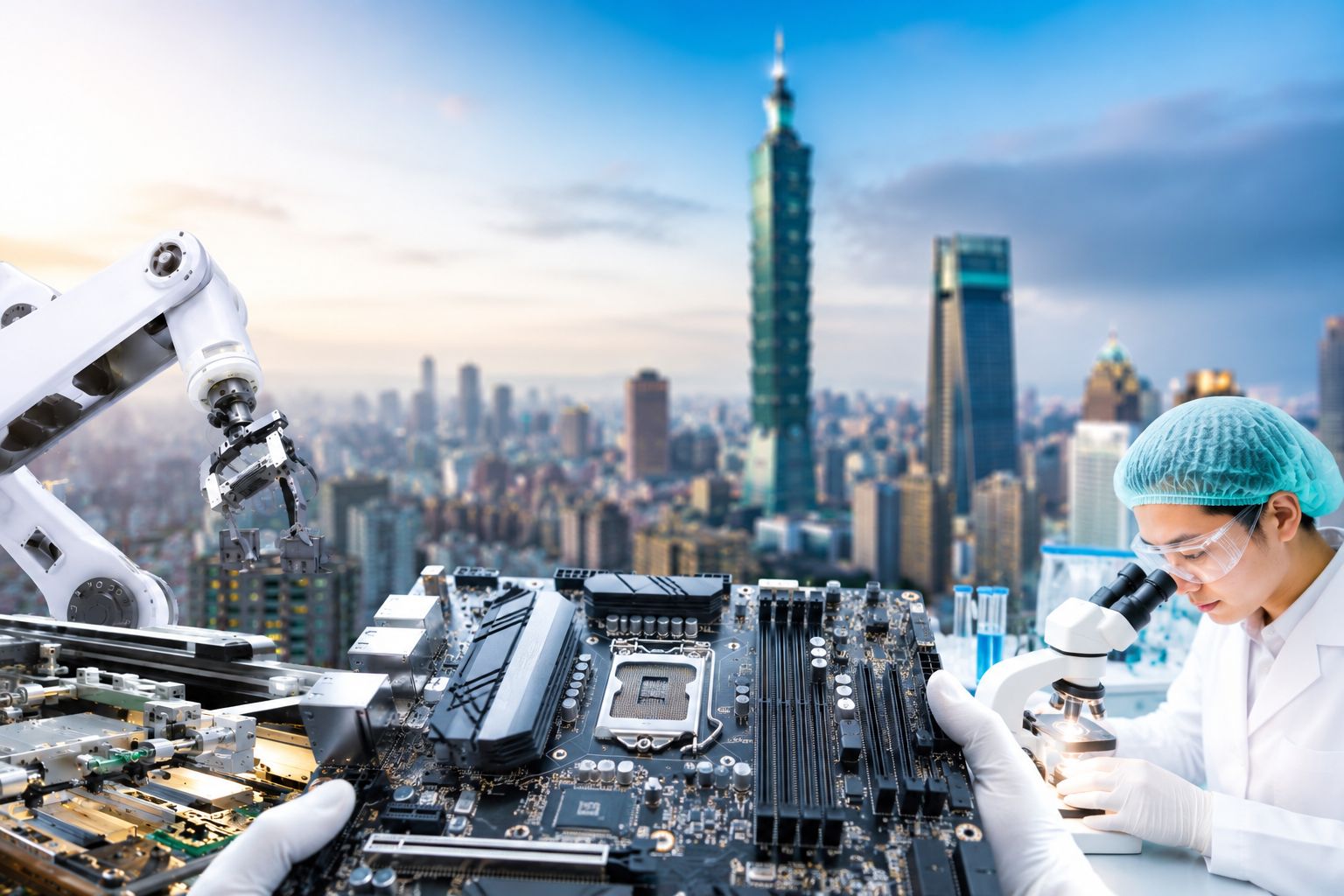
Most people know Taiwan for semiconductors. TSMC, the world's most advanced chip foundry, has become a household name, invoked whenever politicians talk about supply chains, strategic competition, or the future of artificial intelligence. But focus too much on the silicon, and you miss something extraordinary: an entire ecosystem of world-class industries that most people have never heard of, quietly powering everything from the laptop on your desk to the electric vehicle outside your window, from the gaming setup in your teenager's room to the surgical theater where a surgeon is reattaching a severed limb.
These are Taiwan's "hidden champions": industries where small island geography belies staggering global impact. The country's 23 million people have built something remarkable: not just one dominant industry, but layers of them, each operating with a precision and depth that would be the envy of nations ten times its size.
The World's Best Healthcare System, and the Science to Back It Up
Ask a Taiwanese person how they feel about their healthcare, and they'll likely shrug and say something modest like, "It's pretty convenient." What they won't tell you is that the rest of the world is (well, maybe not so) quietly taking notes.
For the 8th consecutive year in 2026, Taiwan topped the Numbeo Health Care Index, the world's largest user-contributed survey on healthcare quality, with a score of 87.1 out of 100, outperforming South Korea (82.9), the Netherlands (81.5), Japan (80.1), and Austria (78.9).

The engine behind this consistency is Taiwan's National Health Insurance (NHI) system. Launched in 1995, the NHI now covers nearly 100% of citizens and has achieved a 92% public satisfaction rate in 2025. The data-integrated, digitally efficient, affordable healthcare system is a combination that has drawn policymakers from dozens of countries to Taiwan to study how it was built. In a global environment where healthcare systems routinely buckle under demand, Taiwan's approach to universal coverage has become a genuine model — not just in aspiration, but in execution.
But Taiwan's medical story goes deeper than insurance architecture. The clinical and academic excellence is, in some respects, even more remarkable.
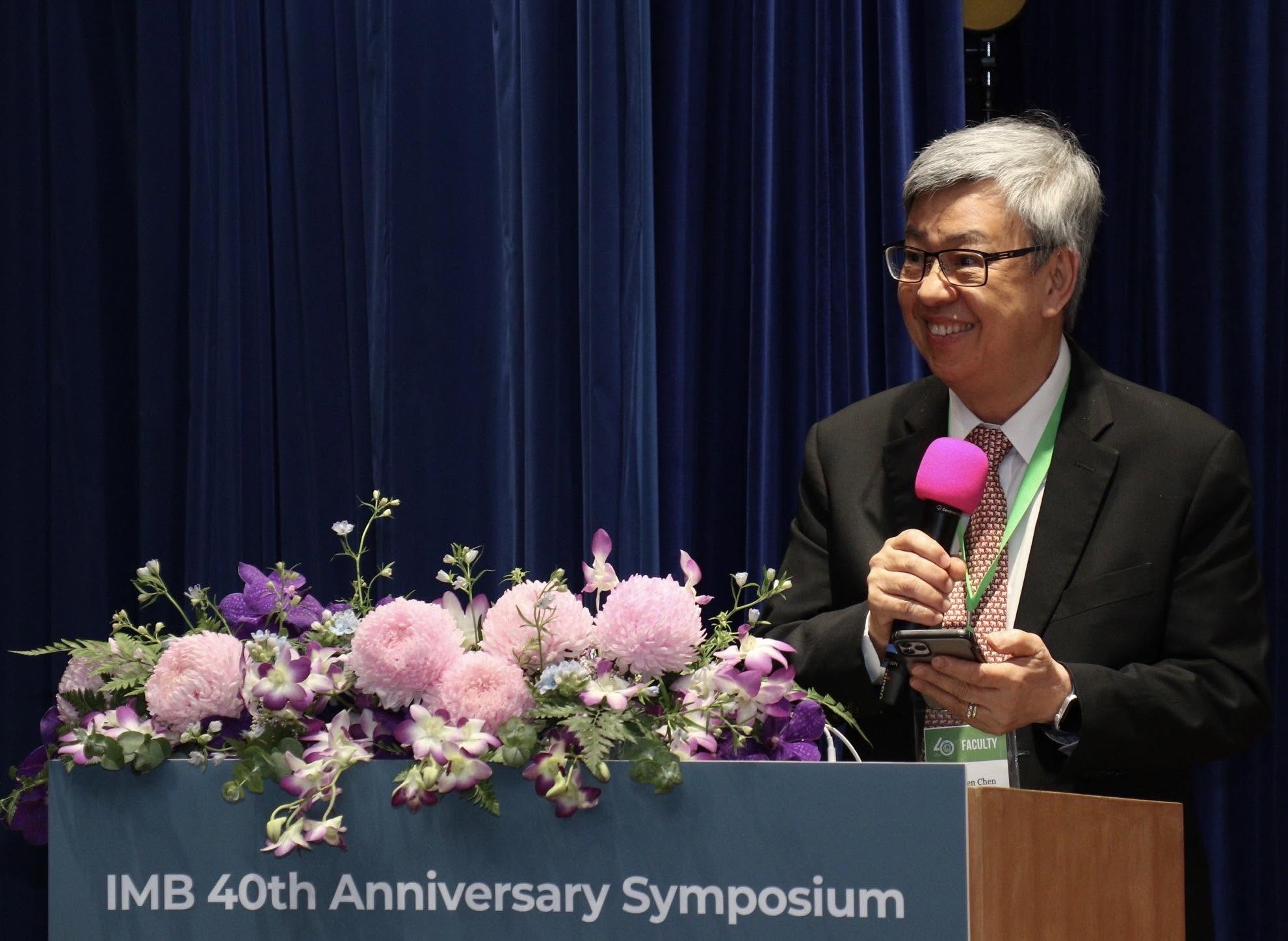
Take epidemiology. Taiwan’s former Vice President and Premier Chen Chien-jen is one of the most cited medical scientists on earth. His research on viral hepatitis, cancer prevention, and chronic disease has accumulated over 130,000 citations and an H-index of around 159. It was Chen who helped steer Taiwan's disease surveillance infrastructure, a fact that became consequential when SARS arrived in 2003 and again when COVID-19 hit in 2020. Involving digital contact tracing, border controls, and real-time case monitoring, Taiwan's rapid, technology-driven pandemic response drew global attention and respect at a time when many larger nations were struggling to find enough masks.
Then there is microsurgery and reconstructive medicine, perhaps the most quietly impressive chapter in Taiwan's medical narrative. While South Korea has built a reputation for cosmetic surgery, Taiwan's niche is fundamentally different: it is the reconstruction of what has been lost. The country has become an internationally recognized destination for craniofacial reconstruction, microsurgical limb reattachment, and complex oncological repair: the kind of surgery that puts a face back together after cancer, reattaches fingers severed in industrial accidents, and repairs cleft palates in children who would otherwise grow up unable to smile like their peers. International surgeons from Europe and North America regularly travel to Taiwan to observe techniques developed at institutions like Chang Gung Memorial Hospital, which has trained a generation of reconstructive surgeons whose skills are, by peer consensus, among the finest in the world.
The Hardware Behind Your Screen: Taiwan Runs Global Tech
Open any serious gaming laptop and look at the logo. There's a reasonable chance it says ASUS ROG, MSI, or GIGABYTE. All three are Taiwanese companies. Together, they have shaped what modern personal computing looks, performs, and costs.
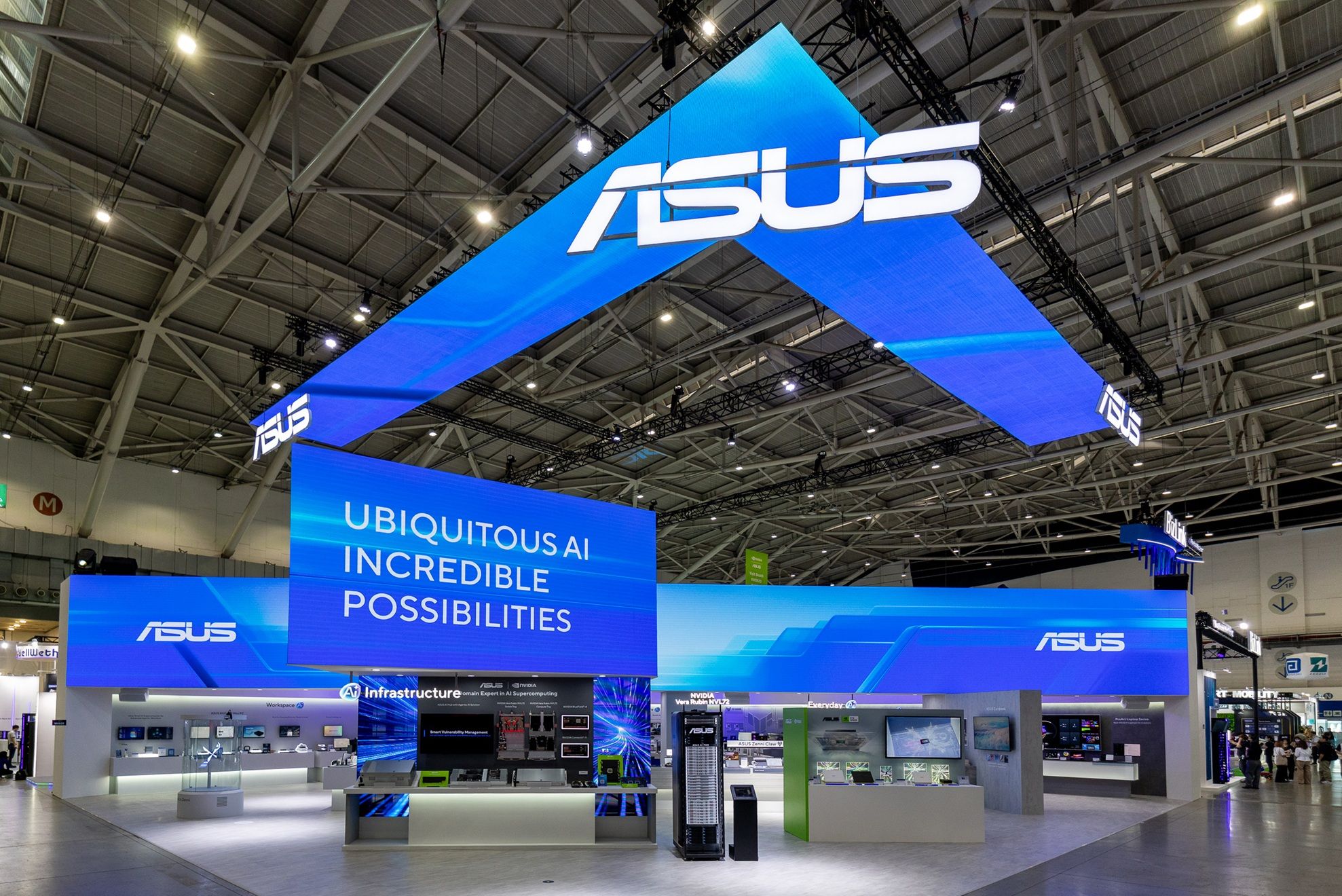
ASUS, through its Republic of Gamers (ROG) sub-brand, commands close to 40% of the global motherboard market by share in 2025, and is the dominant player in high-performance gaming laptops. MSI is one of the fastest-growing motherboard manufacturers globally. GIGABYTE saw consolidated revenue growth of 118.4% year-over-year in the first nine months of 2024 alone. These are not niche players, these are the brands that define what a gaming rig means to a billion people.
But the story isn't just about branded products. It's about the invisible supply chain that makes modern computing physically possible.
In the age of AI workloads and extreme-performance graphics processing, the two most overlooked hardware requirements are power delivery and thermal management. A GPU running at full throttle generates extraordinary heat; a server rack packed with AI accelerators demands equally extraordinary power stability. Taiwan is where solutions to both problems come from. Taiwanese manufacturers supply the high-end power supply units (PSUs) and advanced thermal cooling components — vapor chambers, heat pipes, and liquid cooling modules — that keep the world's most powerful machines running. Without Taiwan's cooling and power infrastructure, the AI revolution would overheat.
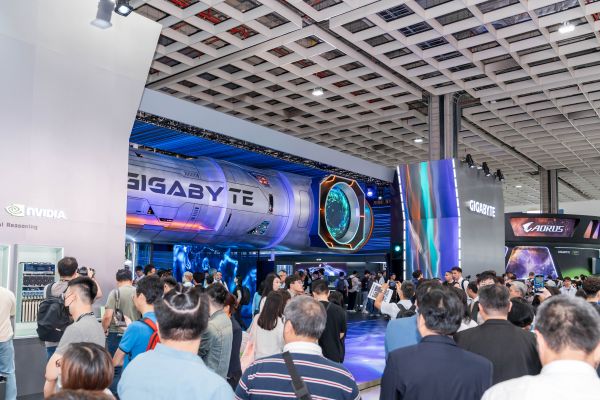
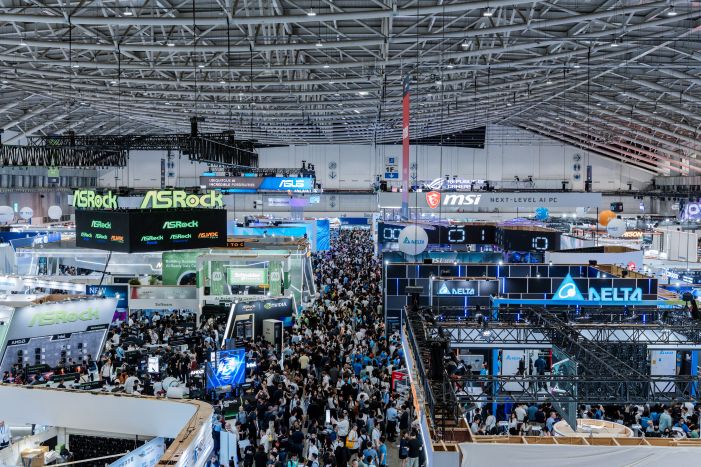
Then there is COMPUTEX Taipei, the annual technology trade show that has become one of the most influential in the world. Every June, the global tech industry descends on Taipei to see what's next. Not just from Taiwan's own manufacturers, but because Taiwan sits at the intersection of hardware design, component supply, and manufacturing execution in a way that no other region replicates. CEOs from NVIDIA, Intel, AMD, and virtually every major technology company have taken the COMPUTEX stage in recent years to announce products and partnerships. For the global tech industry, Taiwan is not a supplier. It is a partner.
Small Pieces, Enormous World: Precision Machinery and the Fastener Kingdom
Drive 60 kilometers along the base of Mt. Dadu in central Taichung, and you are passing through one of the most consequential industrial zones on the planet. This is Taiwan's "Golden Valley”, a precision machinery cluster that, by per-unit-area output value, is the densest of its kind in the world. Over 300,000 workers operate here. Annual output exceeds approximately US$30 billion.
What comes out of this valley are machine tools — the machines that make other machines. Taiwan consistently ranks among the world's top ten machine tool exporters (reaching fifth place as recently as 2023, according to Taiwan Panorama) , alongside countries such as Germany, Japan, Italy, South Korea, etc. The CNC machining centers, lathes, and five-axis milling machines built in Taichung are used by automakers from Stuttgart to Detroit, by aerospace component manufacturers, and by the factories that produce the aluminum unibodies of the world's most iconic smartphones. When an iPhone is precisely milled to tolerances measured in microns, or when a Porsche component is cut to exact specifications, there is a very good chance a Taiwanese machine tool made it possible.
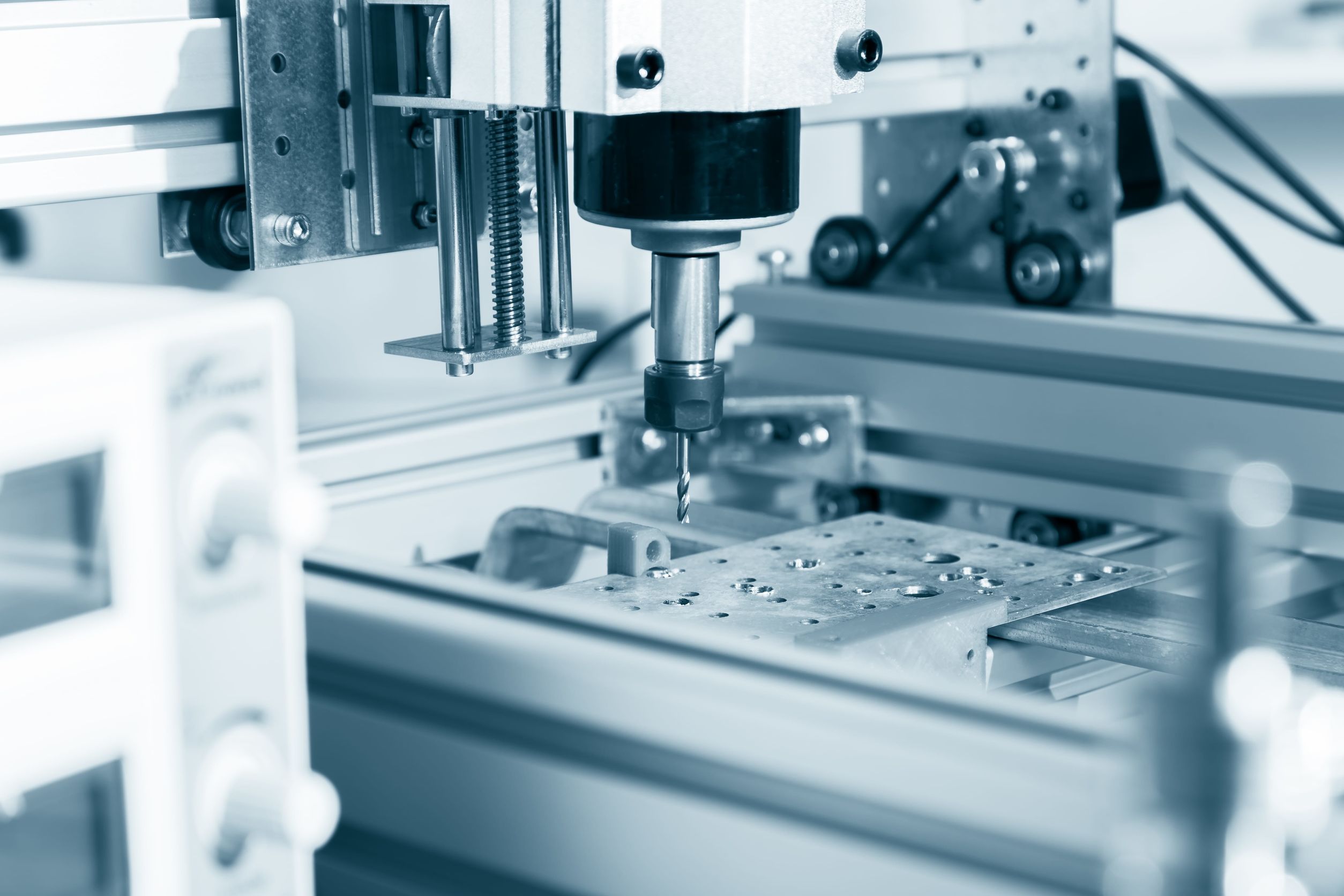
The industry is also transforming. Following years of pressure from lower-cost competitors, Taiwan's machine tool sector is pivoting hard into intelligent manufacturing: integrating AI, robotic automation, and IoT sensors into next-generation smart factories. The Taiwan International Machine Tool Show held in Taichung in March 2026 centered its theme on "AI-Powered Sustainable Manufacturing," signaling an industry that is not resting on accumulated advantage but actively reinventing itself for the next industrial era.
Shift south to Kaohsiung and the surrounding region, and you find Taiwan's other invisible industrial empire: fasteners. Screws. Bolts. Nuts. The hardware that holds everything together, literally.
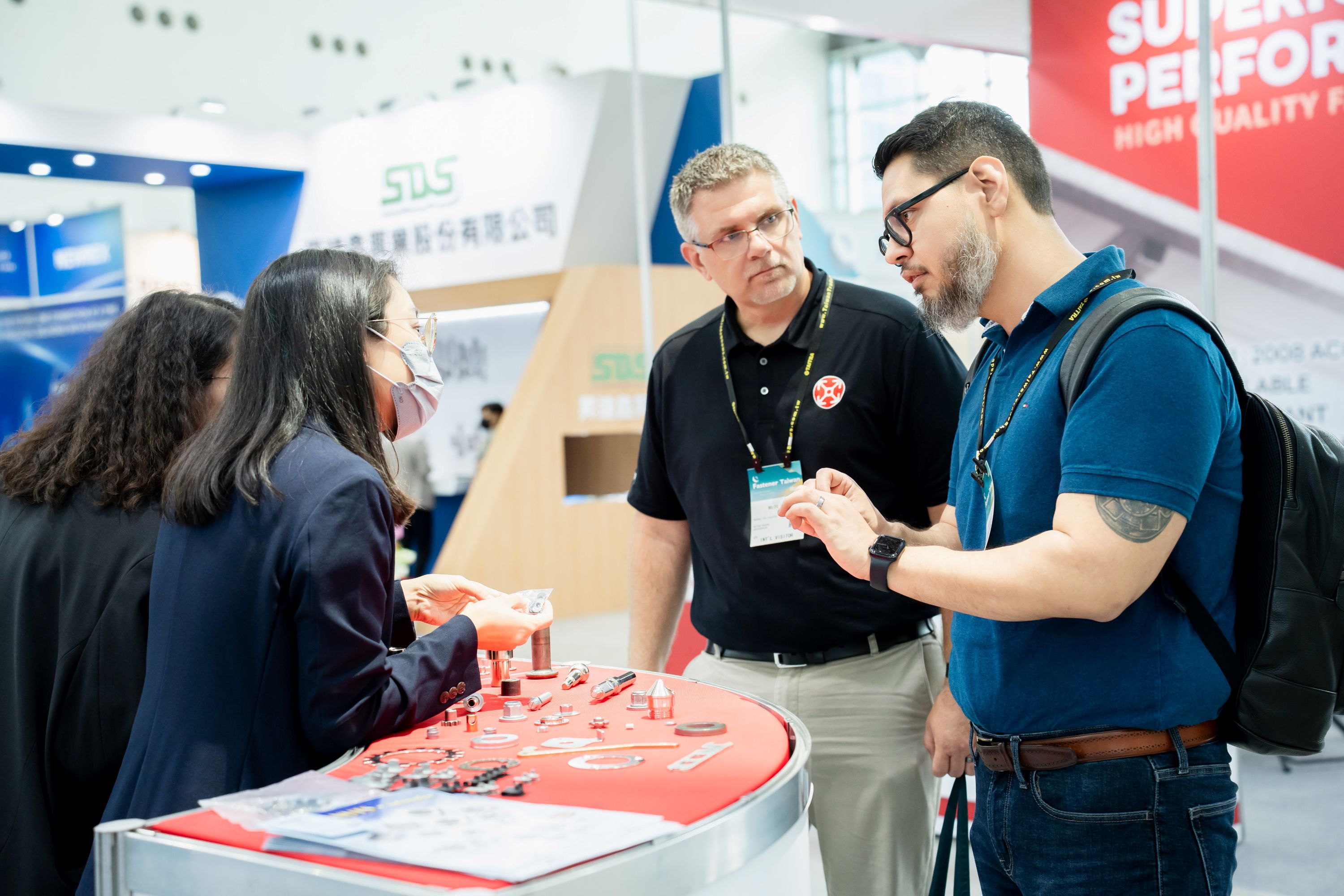
Taiwan, often called the “Kingdom of Screws”, is the world's third-largest fastener exporter, with approximately 1,800 manufacturers producing roughly 13% of global fastener output. For decades, Taiwan's fastener industry competed primarily on volume and price. That era is largely over. Today, Taiwanese producers increasingly specialize in high-tolerance, safety-critical applications: aerospace-grade bolts that meet military specification standards, self-locking nuts certified for use in BMW and Mercedes-Benz vehicles, precision titanium fasteners for medical devices, and specialty components for the electric vehicle and renewable energy sectors. Taiwanese fastener companies are certified suppliers to Tesla and Mercedes-Benz, while others have built integrated solutions for the aerospace and renewable energy industries. The transformation is textbook: a commodity industry, through sustained investment in R&D and quality certification, climbs the value chain until it is competing at the very top of the most demanding sectors on earth. That arc, from commodity to critical, is a recurring theme in Taiwan's industrial story.
A Small Island with an Outsized Grip on the World
What makes Taiwan's industrial story remarkable is not scale, but density of excellence: world-class depth achieved across fields as disparate as epidemiology, gaming hardware, precision machinery, and aerospace fasteners, each reflecting the same underlying culture of technical mastery and patient, generational expertise.
The next time you power on a gaming rig, sit in an electric vehicle, or read about a surgical breakthrough, trace the supply chain back far enough. Somewhere near the beginning, you'll find Taiwan: quiet, precise, and indispensable.
